
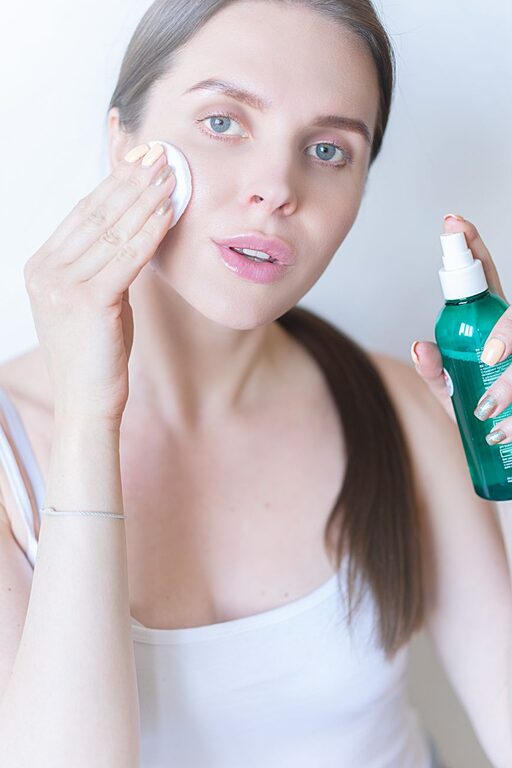
Starting a skincare routine doesn’t have to be complicated or overwhelming. With the right steps and products, anyone can establish a basic routine that supports healthy, radiant skin. Whether you’re new to skincare or looking to simplify your current habits, this guide will walk you through the key elements of a straightforward routine.
Why Have a Skincare Routine?
A consistent skincare routine helps maintain your skin’s health by cleansing away dirt, protecting from environmental damage, and keeping it hydrated. It can improve your skin’s texture, tone, and overall appearance. Plus, taking a few minutes each day for self-care can boost your confidence and well-being.
Understanding Your Skin Type
Before you start, it’s important to identify your skin type because different types need different care. The common skin types include:
– Normal: Balanced, not too oily or dry.
– Oily: Produces excess oil, may have enlarged pores.
– Dry: Feels tight or flaky, prone to irritation.
– Combination: Oily in some areas (usually the T-zone) and dry in others.
– Sensitive: Easily irritated, prone to redness or itching.
Knowing your skin type helps you choose products that work best for you.
Basic Skincare Routine Steps
A simple skincare routine includes three main steps: cleansing, moisturizing, and sun protection. Here’s how to do each one effectively:
1. Cleansing
Cleansing removes dirt, oil, and impurities from your skin.
– Use a gentle cleanser suited to your skin type.
– Wash your face twice daily — in the morning and before bed.
– Use lukewarm water to avoid drying out your skin.
– Avoid harsh scrubs or over-washing, which can irritate the skin.
2. Moisturizing
Moisturizing keeps your skin hydrated and helps maintain its barrier.
– Choose a moisturizer that fits your skin type (light lotions for oily skin, richer creams for dry skin).
– Apply moisturizer right after cleansing while your skin is still slightly damp.
– Don’t forget your neck and décolletage area.
3. Sun Protection
Sun protection is crucial to prevent premature aging and skin damage.
– Use a broad-spectrum sunscreen with at least SPF 30.
– Apply sunscreen every morning, even on cloudy days.
– Reapply every two hours if you’re outdoors for extended periods.
– Look for sunscreens labeled as non-comedogenic if you have oily or acne-prone skin.
Optional Add-Ons for Your Routine
Once your basic routine is established, you might consider adding some extras, depending on your skin’s needs.
Exfoliation
– Use a gentle exfoliant 1-2 times a week to remove dead skin cells.
– Avoid harsh scrubs which can cause redness and irritation.
– Chemical exfoliants (like AHAs and BHAs) can be effective and gentle.
Serums
– Serums contain concentrated ingredients such as antioxidants or hyaluronic acid.
– Apply after cleansing but before moisturizing.
– Choose serums based on your skin concerns (hydration, brightening, anti-aging).
Eye Creams
– Eye creams are designed for the delicate skin around your eyes.
– Use a small amount to hydrate and reduce puffiness or dark circles.
Tips for Success
– Be consistent: Results take time, so stick to your routine daily.
– Patch test new products: To avoid irritation, test new products on a small skin area first.
– Keep it simple: Don’t feel pressured to use many products; less can be more.
– Adjust seasonally: Your skin’s needs might change with the weather, so adapt your products accordingly.
– Stay hydrated and eat well: Skin health also comes from a balanced diet and plenty of water.
Final Thoughts
A basic skincare routine is an easy and effective way to care for your skin. By focusing on cleansing, moisturizing, and sun protection, you lay the foundation for healthy skin that looks and feels great. Remember, skincare is personal—listen to your skin’s needs and be patient as you develop habits that work best for you.
Starting today, you can create a routine that supports your skin’s natural beauty every day!
About the Author