Planning meals from pantry staples is a smart way to save time, reduce grocery bills, and avoid last-minute dinner stress. With a well-stocked pantry and a little creativity, you can prepare satisfying meals without a trip to the store every day. In this post, we’ll explore how to organize your pantry, choose versatile ingredients, and plan meals that make the most of what you already have on hand.
Why Planning Meals from Pantry Staples Matters
Pantry staples are those essential ingredients you always have available—like rice, canned beans, pasta, and spices. Leveraging these items helps you:
– Save money by minimizing impulse grocery shopping
– Prevent food waste by using what you have
– Prepare meals quickly during busy days
– Build a foundation for more complex recipes
By planning around pantry items, you also ensure you’re never left without options, even if fresh ingredients are limited.
Step 1: Organize Your Pantry for Easy Access
Before you start planning, take a moment to organize your pantry. Knowing exactly what you have makes meal planning simpler.
Tips for Pantry Organization
– Group similar items: Keep grains, canned goods, baking supplies, and spices in separate sections.
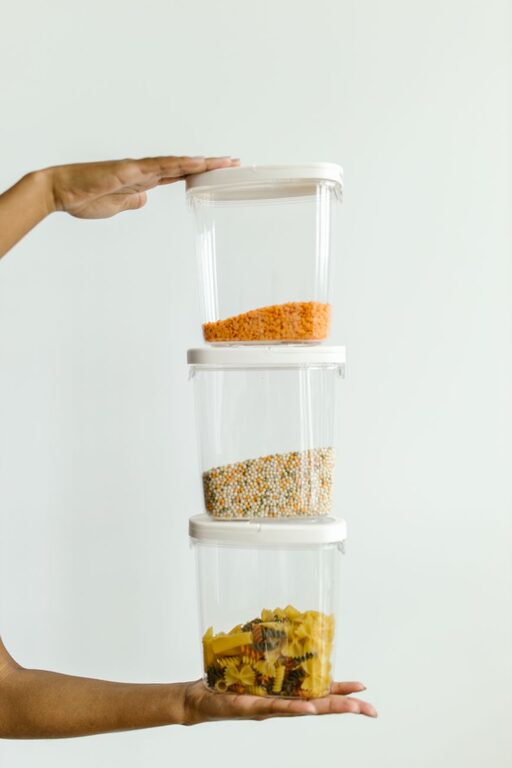
– Use clear containers: Transfer bulk items like flour and rice into see-through jars for easy identification.
– Label everything: Date and name containers to keep track of freshness.
– Keep frequently used items handy: Place staples you use often at eye level.
– Dispose of expired products: Regularly check for items past their prime to avoid using spoiled ingredients.
An orderly pantry leads to faster meal prep and fewer forgotten staples.
Step 2: Identify Your Pantry Staples
Make a list of your most common pantry staples. This helps you visualize your options and start brainstorming meals.
Common Pantry Staples to Keep On Hand
– Grains: Rice (white, brown, jasmine), pasta, quinoa, couscous, oats
– Canned goods: Beans (black, chickpeas, kidney), tomatoes (diced, crushed), coconut milk, broth
– Baking essentials: Flour, sugar, baking powder, baking soda
– Oils and vinegar: Olive oil, vegetable oil, apple cider vinegar, balsamic vinegar
– Spices and herbs: Salt, pepper, garlic powder, cumin, paprika, dried oregano, chili flakes
– Others: Peanut butter, nut butters, canned tuna or chicken, soy sauce, honey, mustard
Customize your list based on your cooking preferences and dietary needs.
Step 3: Plan Versatile, Balanced Meals
A well-planned pantry meal balances carbohydrates, protein, and vegetables. Even if fresh produce is limited, frozen or canned vegetables work well.
Meal Planning Strategies
– Mix and match grains with proteins: Combine rice or pasta with beans or canned tuna.
– Use canned tomatoes as a base: Make sauces, stews, or soups with canned tomatoes and spices.
– Incorporate quick-cooking proteins: Eggs or canned beans are easy and nutritious.
– Add flavor with spices: A simple dish becomes exciting with the right seasoning.
– Include a side or salad: Keep frozen or canned vegetables to round out meals.
Step 4: Sample Meal Ideas Using Pantry Staples
Here are some easy recipes you can try with pantry essentials:
1. One-Pot Chickpea and Tomato Stew
– Ingredients: canned chickpeas, canned diced tomatoes, onion (optional), garlic powder, cumin, paprika, olive oil.
– Instructions: Sauté onion (if available) in olive oil, then add spices, chickpeas, and tomatoes. Simmer for 15-20 minutes. Serve with rice or bread.
2. Spaghetti Aglio e Olio
– Ingredients: spaghetti, olive oil, garlic powder or fresh garlic, red chili flakes, salt, pepper.
– Instructions: Cook spaghetti. Heat olive oil and garlic in a pan, add chili flakes, then toss pasta in the oil. Sprinkle with pepper.
3. Tuna and Bean Salad
– Ingredients: canned tuna, canned white beans, olive oil, vinegar, salt, pepper, dried oregano.
– Instructions: Drain tuna and beans, mix with olive oil and vinegar, season with oregano, salt, and pepper. Serve on its own or with crackers.
4. Rice and Lentil Pilaf
– Ingredients: rice, lentils, broth or water, garlic powder, cumin, salt.
– Instructions: Cook lentils and rice together in broth with spices until tender. Fluff and serve.
Step 5: Keep a Flexible Meal Plan and Shopping List
When planning meals:
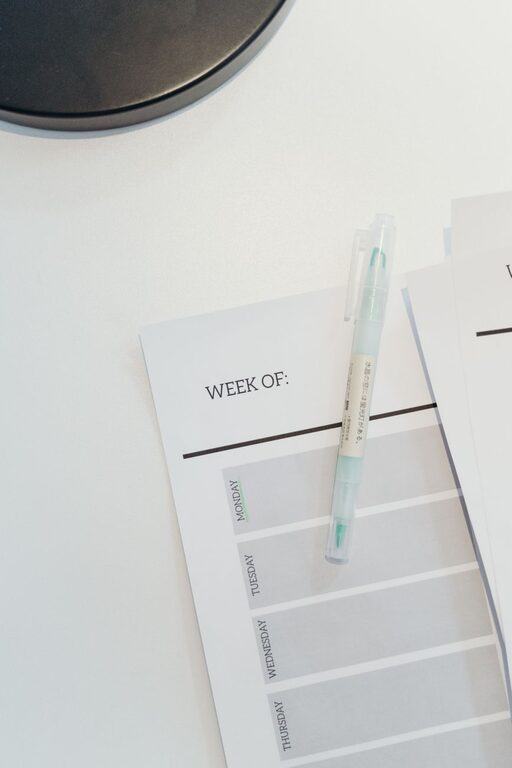
– Write down the dishes you want to try.
– Note which pantry items you need to restock.
– Leave room for fresh ingredients or specials from the grocery store.
A flexible plan reduces waste and helps you adjust depending on what’s available.
Final Tips for Success
– Rotate ingredients regularly: Use older items first to avoid spoilage.
– Prep in advance: Cook grains or beans in bulk and refrigerate.
– Experiment with spices: Small changes in seasoning can create new flavors.
– Use leftovers creatively: Turn yesterday’s stew into today’s sandwich filling or soup base.
Conclusion
Planning meals from pantry staples is a practical way to simplify your cooking routine, save money, and reduce waste. With an organized pantry, a list of versatile ingredients, and simple recipes, you’ll be ready to whip up tasty meals anytime. Start today by taking stock of your pantry, and let those staples inspire your next delicious dinner!
About the Author